

Mycoplasma Contamination: Why It Matters and How to Detect It

What are mycoplasmas?
Mycoplasmas are unique bacteria that lack cell walls, making them naturally resistant to antibiotics like penicillin, which target bacterial cell walls. As the smallest self-replicating prokaryotes, they also have highly specific growth requirements.1
So far, over 190 species of mycoplasmas have been identified in various animal and plant hosts. In laboratory environments, approximately 20 species—originating from humans, cattle, and pigs—have been identified in cell cultures. Since they can exist as both parasites and harmless colonizers, mycoplasmas frequently contaminate lab-grown cell lines, tissue cultures, and even the respiratory and urogenital tracts of humans. Unable to produce certain essential nutrients on their own, they depend on living cells and tissues for survival.2
Although mycoplasma contamination in cell cultures was first discovered in 1956, it remains a persistent challenge for many laboratories today.3
How does mycoplasma contaminate culture?
Mycoplasmas can proliferate to high titers in culture media without causing typical signs of bacterial contamination, such as turbidity. Contamination often occurs through cross-contamination from infected, untested cell cultures, typically via microscopic airborne droplets generated during pipetting or media and cell transfers. This risk is heightened when multiple cell lines are handled in the same biosafety cabinet or share the same bottle of culture media. And, because of their absence of a cell wall and small size, mycoplasma can pass through 0.2 micron sterilizing filters, but not a 0.1 micron filter that would otherwise typically prevent contamination. The most effective way to prevent contamination is by practicing strict aseptic techniques alongside routine mycoplasma testing.4
How can I test for mycoplasma contamination in cell cultures?
Per USP Chapter 63, testing for mycoplasma must be performed to ensure pure biotechnical products.
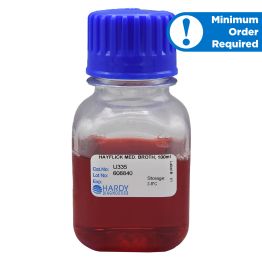
The recommended media for this testing include Hayflick medium, Frey Media, and Friis media. Liquid media is inoculated with no less than 10 ml of test material/100ml of media. Solid media is inoculated with 0.2ml of test material. After the prescribed incubation time, liquid media is subcultured to at least one plate of each solid medium.
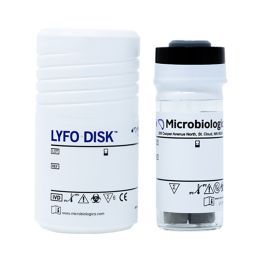
Quality Control is performed on these media using Mycoplasma including at least one dextrose fermenter, such as M. pneumoniae, and one arginine hydrolyzer, such as M. orale.
Hardy Diagnostics offers the following testing solutions:
Hayflick Agar, 11ml

Hayflick Medium Broth, 100ml, Polycarbonate Bottle
Frey Medium Agar

Universal Transport Medium™, UTM®, No Beads, Swab Not Included
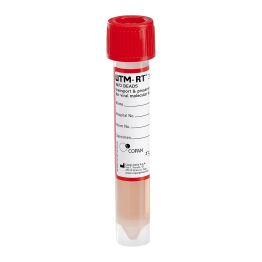
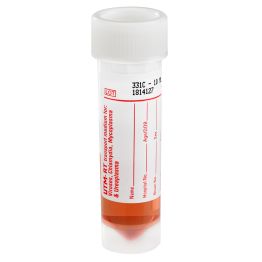
UTM-RT Medium, 10ml, Conical Tube
Closing Statement
Mycoplasma contamination remains a significant threat to cell culture integrity, potentially compromising research outcomes and the quality of biotechnological products. Given their characteristics and ability to spread undetected, routine testing and stringent aseptic techniques are essential for maintaining contamination-free cultures. By implementing proactive monitoring and control strategies, laboratories can safeguard their valuable cell lines and ensure reliable, reproducible results.
References
- Daxboeck, F., Zitta, S., Assadian, O., & Krause, R. (2004). Mycoplasma pneumoniae infections in children and adults: A review. Wiener Klinische Wochenschrift, 116(11–12), 386–391. https://pubmed.ncbi.nlm.nih.gov/1478475
- ATCC. (n.d.). Mycoplasma contamination: The hidden enemy. American Type Culture Collection. https://www.atcc.org/the-science/authentication/mycoplasma-contamination
- Nikfarjam, L., & Farzaneh, P. (2012). Prevention and detection of Mycoplasma contamination in cell culture. Cell Journal (Yakhteh), 13(4), 203–212. https://www.sciencedirect.com/science/article/abs/pii/S1383571818303164
- UNC Lineberger Comprehensive Cancer Center. (n.d.). Mycoplasma contamination. University of North Carolina at Chapel Hill. https://unclineberger.org/tissueculture/contaminant/mycoplasmacontam/
Meet the authors

PHARMACEUTICAL PRODUCT MANAGER at HARDY DIAGNOSTICS
Joelle Brackeen, B.S. Marketing
Joelle Brackeen is the Pharmaceutical Product Manager at Hardy Diagnostics and has over a decade of experience in Marketing and Product Management. Her unique blend of entrepreneurial spirit and product management expertise contributes to her innovative approach and ability to drive successful products and strategic initiatives in the pharmaceutical industry. In her free time, she enjoys playing the piano and spending time at the beach.

TECHNICAL SERVICES SPECIALIST II at HARDY DIAGNOSTICS
Julie Tripp
Julie Tripp is a Technical Services Specialist at Hardy Diagnostics with a background in Medical Technology and over three years of experience supporting microbiology customers across multiple industries.


