

Monthly Archives: 2022
-
 December 06, 2022Posted: December 05, 2022Read More
With more than 1,000 potential microbes known to cause human disease, the differential diagnosis of pathogens can be complex and challenging.
Traditional microbial culture-based methods are the most common and readily available tests for identification, but the turnaround time can be long when organisms are difficult to culture or arduous when testing requires invasive techniques.
Other technologies...
-
 November 21, 2022Posted: November 20, 2022Read More
Two years ago, there was virtually no flu season due to COVID-19 isolation.
In addition, experts predict another COVID-19 surge this fall and winter.(2) According to the World Health Organization’s early October global situation report, more than 1.5 million COVID-19 diagnosis were reported across Europe during the week ending Oct. 2, about 8% more than the prior week.(3) While the U.S. does not always...
-
 October 28, 2022Posted: October 27, 2022Read More
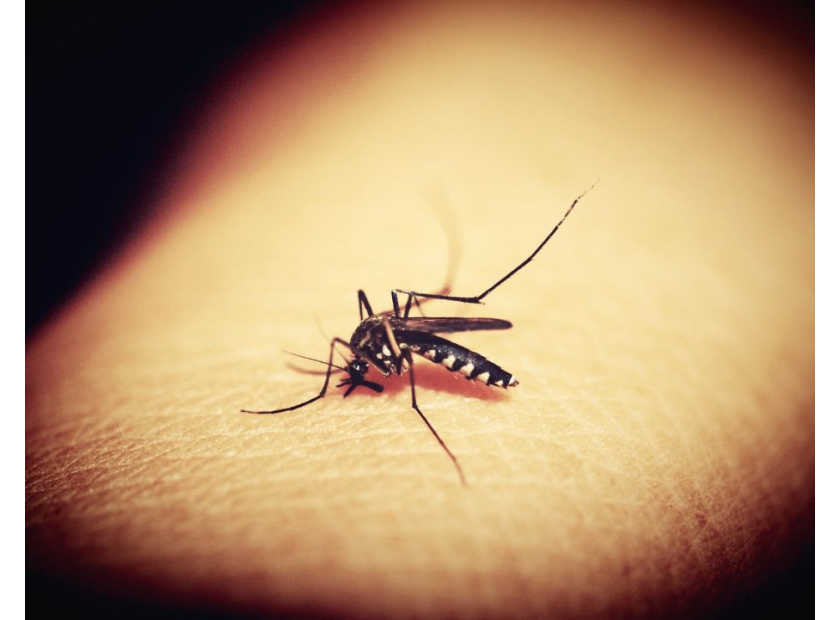
GMO Mosquitos Set for Release in California
A previous article detailed the principles in which several species of mosquitos were genetically modified as a means to control these pests.(1) Another technology by Oxitec prevents Aedes aegypti from reaching adulthood by disrupting the production of essential proteins needed for development.(2) The self-limiting gene passes to offspring, thus reducing...
-
 October 14, 2022Posted: October 13, 2022Read More
Saving lives during WWII
Howard Walter Florey was a famed pathologist and pharmacologist from Australia known for being one of the first researchers to manufacture penicillin. Before his success with penicillin, Florey was on the hunt for a naturally occurring antibacterial substance. While studying tissue inflammation and secretions of the mucous membrane, Florey successfully purified lysozyme. After...
-
 September 30, 2022Posted: September 29, 2022Categories: Clinical, Industry Insights, Public Health Alerts, Health & Wellness, Product SpotlightsRead More
Emerging hand in hand with the Pandemic...
A new 2022 special report from the CDC is sounding the alarm that antimicrobial resistance to some of the most concerning bacteria and fungi significantly increased during the COVID-19 pandemic (1) One such highly drug resistant yeast noted in the report is Candida auris that shows clinical cases rose more than 60% in 2020 compared to 2019. Acute care...
-
 September 16, 2022Posted: September 15, 2022Read More
Coffee drinkers beware...
Does coffee lead to increased risk of dementia and stroke?
Moderation is best!
Coffee, with over 22 billion pounds consumed annually, is without a doubt one of the most popular drinks worldwide. (1) Many of us wake up each morning and seek energy from this bitter bean as it provides a high source of caffeine. Coffee is low in calories, high in potassium, and very high in...
-
 September 02, 2022Posted: September 01, 2022Categories: Zoonotic DiseasesRead More
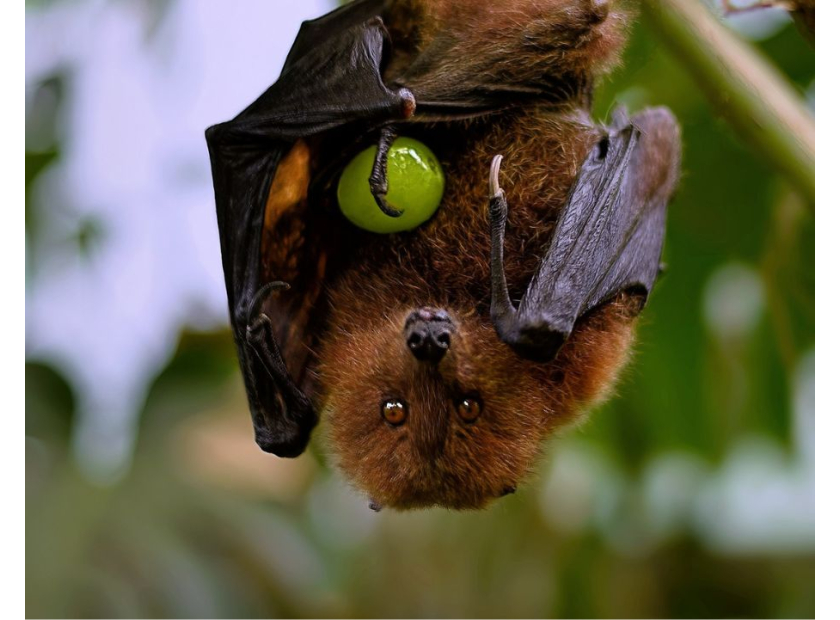
Another Emerging Virus With a Very High Mortality Rate
Originates from bats
The Nipah virus (NiV) is a zoonotic virus of the genus Henipavirus, family Paramyxoviridae, and has been identified as a biosafety level-4 pathogen with a 40-75% fatality rate. The virus was first discovered in 1999 following a Malaysian outbreak among pig farmers which resulted in nearly 300 human cases and more than...
-
 August 19, 2022Posted: August 18, 2022Read More
Effective vaccinations for COVID-19 have been readily available in the United States for well over a year and a new vaccine has just been added to the arsenal. Novavax (NVX-CoV2373), created by a company of the same name, was granted emergency use authorization in early July and has now been endorsed by the CDC.(2) Novavax is approved for adults who are 18 years and older and currently is limited to...
-
 August 05, 2022Posted: August 04, 2022Read More
Group A Streptococcus (GAS) is the most common bacterial cause of pharyngitis, often referred to as strep throat. GAS can also cause severe invasive infections. People who are elderly, have skin breakdown (when the skin is deprived of blood flow, the skin can become damaged or develop ulcers), or have chronic medical conditions, such as diabetes, are at increased risk. Each year in the United States...
-
 July 22, 2022Posted: July 21, 2022Read More
Another respiratory virus of concern. Common, yet underdiagnosed...
Every year we anticipate the rounds of respiratory syncytial virus (RSV), influenza, and now Covid-19; but there is a lesser-known culprit of seasonal respiratory infections.
Human metapneumovirus (HMPV) is a negative-sense single-stranded virus from the family Pneumoviridae and the second most common cause of lower respiratory...
-
 June 24, 2022Posted: June 23, 2022Read More
Many parents in the United States are reeling from the effects of an outbreak of Cronobacter sakazakii in powdered infant formula. Between September 2021 and January 2022, four cases of Cronobacter infections in infants were reported to the FDA. In each case, the infants were fed powdered formula from Abbott Nutrition.(1)
Cronobacter sakazakii (formerly genus: Enterobacter) is an opportunistic Gram-negative...
-
 June 09, 2022Posted: June 08, 2022Read More
Miracle in the Mucin... Discovered in 2004, Akkermansia muciniphila is a relative newcomer to microbiology. Akkermansia was named for the microbial ecologist Antoon Akkermans, and muciniphila meaning preferring mucin. This organism in the phylum Verrucomicrobia was the result of a study that used purified mucin as a growth medium, looking for organisms that could use this as their...
-
 June 08, 2022Posted: June 07, 2022Read More
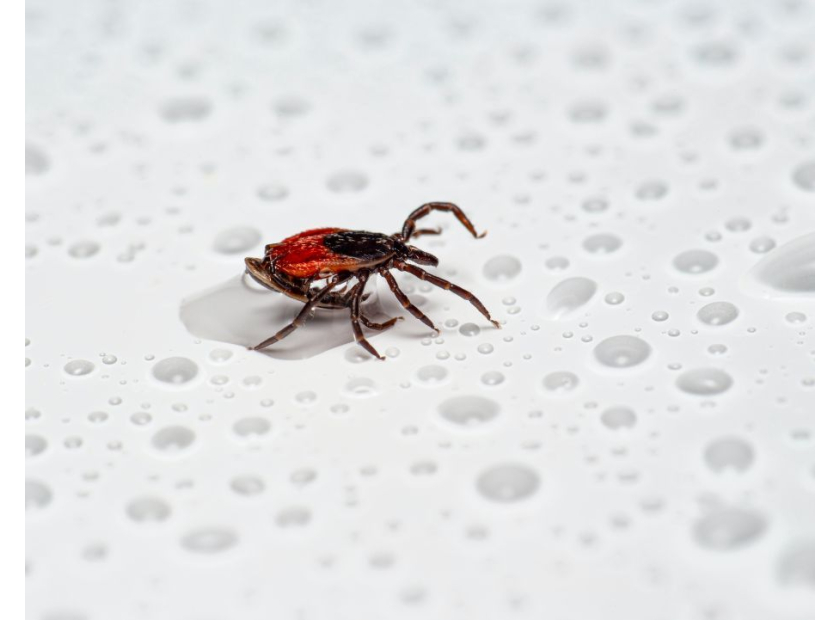
Lyme disease is one of the most common types of tick-borne diseases (TBDs), yet many questions remain surrounding long-term treatment of this disease. Borrelia burgdorferi, the spirochete causing the disease, is transmitted to humans through the bite of an infected Ixodes tick. (1) The first symptoms will often include a bullseye rash forming around the tick bite, as seen in the photo to the left...
-
 June 07, 2022Posted: June 06, 2022Read More
In December 2021, Canada reported the first case of the 2021-2022 highly pathogenic avian influenza (HPAI) H5N1 in North America. Subsequently, HPAI H5N1 viruses have been confirmed in wild birds, backyard flocks, and commercial poultry facilities in both Canada and the United States. (1) According to the United States Department of Agriculture (USDA), as of April 26, 2022, there have been almost 37...
-
 April 15, 2022Posted: April 14, 2022Read More
Genetic engineering can help preserve endangered species
Since 1978, Escherichia coli has been used in the development of synthetic “human” insulin (1). More recently, E. coli has become an essential part in the development of cancer drugs (2). Researchers at The Novo Nordisk Foundation Center for Biosustainability in Denmark have developed a method for the large-scale production of P450 enzymes...


