

Pharmaceutical
-
 January 29, 2026Posted: January 28, 2026Read More
Learn how this innovative technology revolutionizes air sampling in various environments, ensuring precise and reliable results for microbiological analysis. Elevate your sampling experience with TRIO.BAS™ and stay ahead in quality assurance.
-
 October 01, 2025Posted: September 30, 2025Read More
New Manufacturing Line. Same Commitment to Quality.
At Hardy Diagnostics, delivering consistent, high-quality culture media isn't just what we do—it's what we're built for. That's why we're excited to share a major behind-the-scenes milestone that's been years in the making.
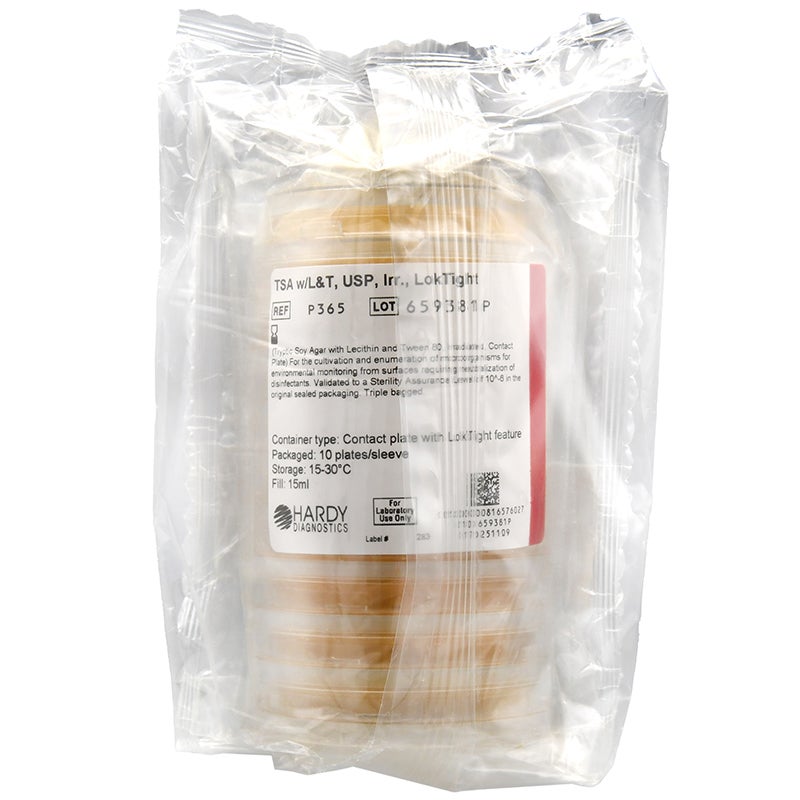
We're proud to announce the launch of a new, state-of-the-art, highly-automated plate manufacturing line. This significant investment...
-
 June 17, 2025Posted: June 16, 2025Read More
What are mycoplasmas?
Mycoplasmas are unique bacteria that lack cell walls, making them naturally resistant to antibiotics like penicillin, which target bacterial cell walls. As the smallest self-replicating prokaryotes, they also have highly specific growth requirements.1
So far, over 190 species of mycoplasmas have been identified in various animal and plant hosts. In laboratory environments, approximately...
-
 March 17, 2025Posted: March 16, 2025Read More
Glyphosate, a chemical used in many RoundUp® herbicides, may be to blame for the rise in cases of celiac disease and gluten intolerance. Though the proponents of glyphosate have always maintained that it has no effect on human or animal cells, an ever-increasing amount of research suggests that the herbicide may suppress healthy gastrointestinal flora, including microbes needed to properly digest gluten...
-
 December 09, 2024Posted: December 08, 2024Read More
Cleanrooms and the protection of product carry two risks from contamination: particle deposition and particle dispersion. Airborne particle contamination in the healthcare and pharmaceutical sectors is a major topic of concern due to the risk of introducing particles, as impurities into products, and due to the potential to transfer microorganisms. Air quality assessments are partly based on the amount...
-
 November 20, 2024Posted: November 19, 2024Read More
It's been one year since the revised United States Pharmacopeia Chapter <797> was implemented. Over the course of the year, we have received feedback that many teams have faced challenges with the increase in environmental monitoring requirements and frustration over how this has affected their facility. Many pharmacies contract with third-party vendors to conduct their air sampling and other environmental...
-
 October 11, 2024Posted: October 10, 2024Read More
In December of 2022, President Biden signed the Modernization of Cosmetics Regulation Act (MoCRA) into law, ushering in new regulations that significantly expanded the authority of the FDA over personal care companies. There have been years-long efforts to increase the FDA's oversight of the personal care and cosmetic industry, stemming from growing concerns regarding product safety. In 2018, there...
-
 September 16, 2024Posted: September 15, 2024Read More
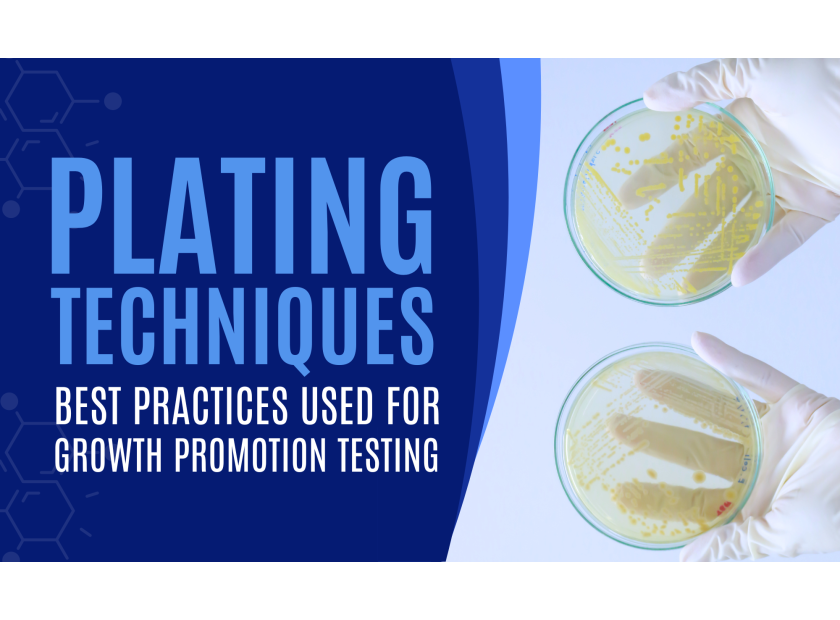
When performing Growth Promotion on new batches of media, one of three plating techniques can be used: Spread Plate, Pour Plate, or Membrane Filtration. Each method aids in enumeration of the cells in the inoculum, but each is different in technique. Below we offer our Top 5 Best Practices for each plating method to help you ensure proper growth promotion of your agar media.
Spread Plate Method Best...
-
 August 21, 2024Posted: August 20, 2024Read More
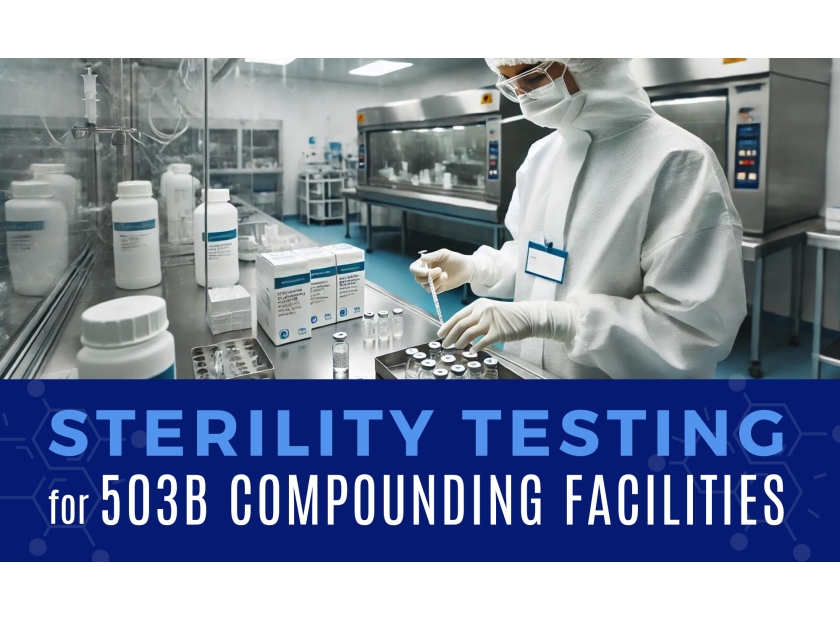
A 503B compounding facility, also known as an outsourcing facility, is a type of pharmaceutical compounding business that operates under section 503B of the Federal Food, Drug, and Cosmetic (FD&C) Act. The concept of a 503B pharmacy was introduced with the passage of the Drug Quality and Security Act (DQSA) in 2013. These facilities can manufacture bulk pharmaceuticals and are the only pharmacies permitted...
-
 July 17, 2024Posted: July 16, 2024Read More
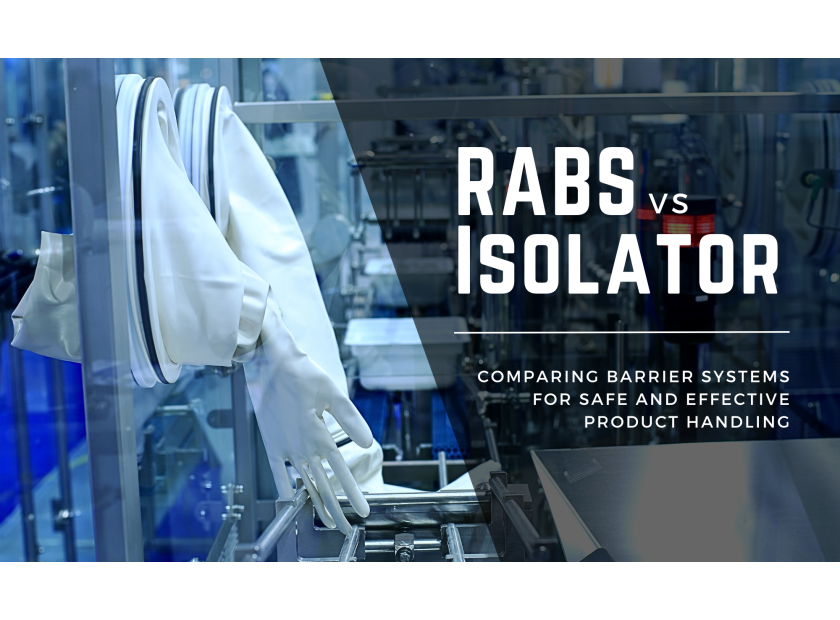
Personnel are a significant source of contamination in aseptic manufacturing, and reducing human intervention in critical zones is essential to ensure higher product purity. Isolators and RABS (Restricted Access Barrier Systems) work to control contamination during pharmaceutical production. Because these systems are equipped with a variety of sophisticated protections and physical barriers, they can...
-
 June 19, 2024Posted: June 18, 2024Read More
The Massachusetts man at the center of an infamously deadly 2012 national meningitis outbreak, Barry Cadden, pleaded no contest to 11 counts of involuntary manslaughter in Michigan and was sentenced last month to at least ten years in prison for his part in the deaths of 11 Michigan residents.
-
 May 06, 2024Posted: May 05, 2024Read More
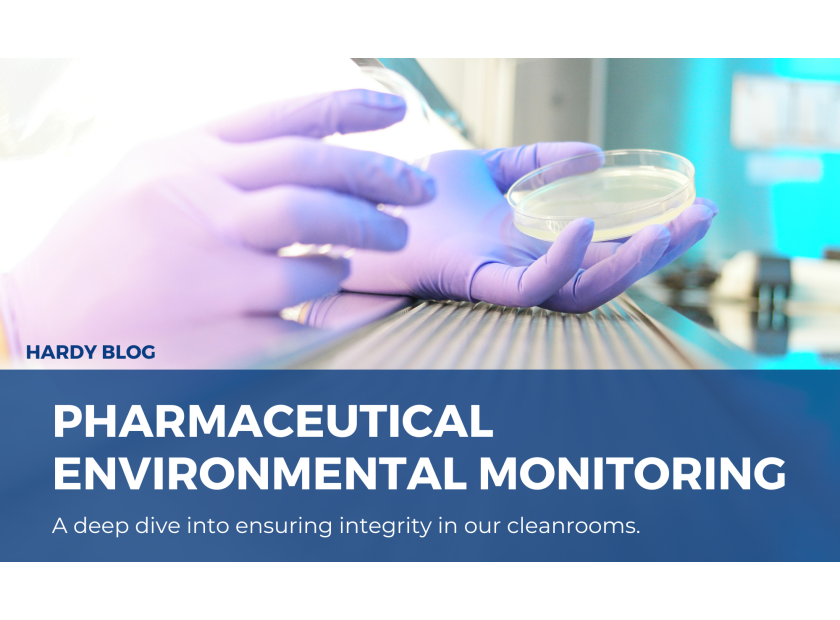
Environmental monitoring (EM) in pharmaceuticals refers to the process of assessing and controlling the environment within manufacturing facilities, particularly cleanrooms, to ensure that they meet cleanliness and safety standards, as even minor environmental contaminants can compromise product quality and safety.
-
 March 25, 2024Posted: March 24, 2024Read More
It's important to be familiar with the guidelines outlined in USP <800> for employees who work or manage a healthcare facility where hazardous drugs are handled. USP <800> requires healthcare facilities to develop comprehensive policies and procedures for handling hazardous drugs, including exposure control, storage, and waste disposal.
Following these USP <800> guidelines in healthcare facilities...
-
 February 19, 2024Posted: February 18, 2024Read More
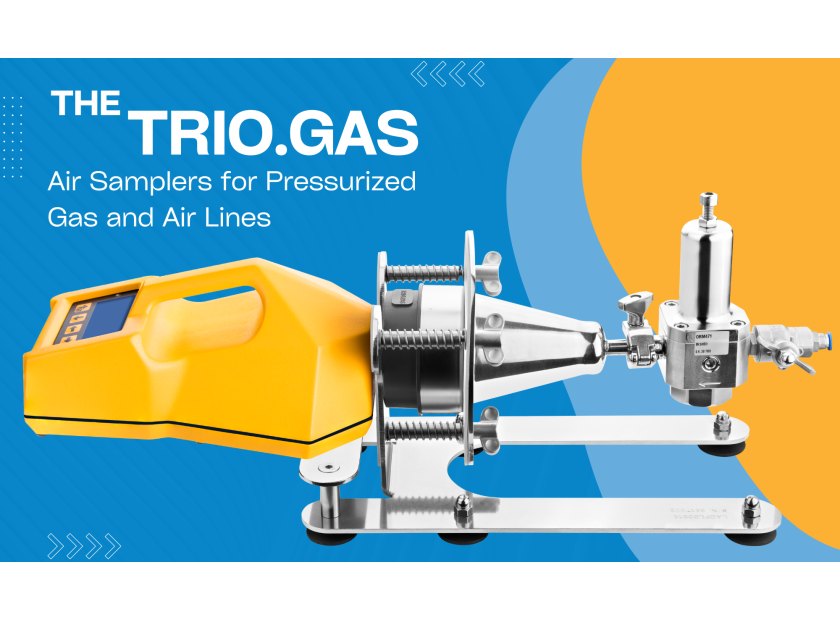
Learn how this innovative technology revolutionizes air sampling in various environments, ensuring precise and reliable results for microbiological analysis. Elevate your sampling experience with TRIO.BAS™ and stay ahead in quality assurance.
-
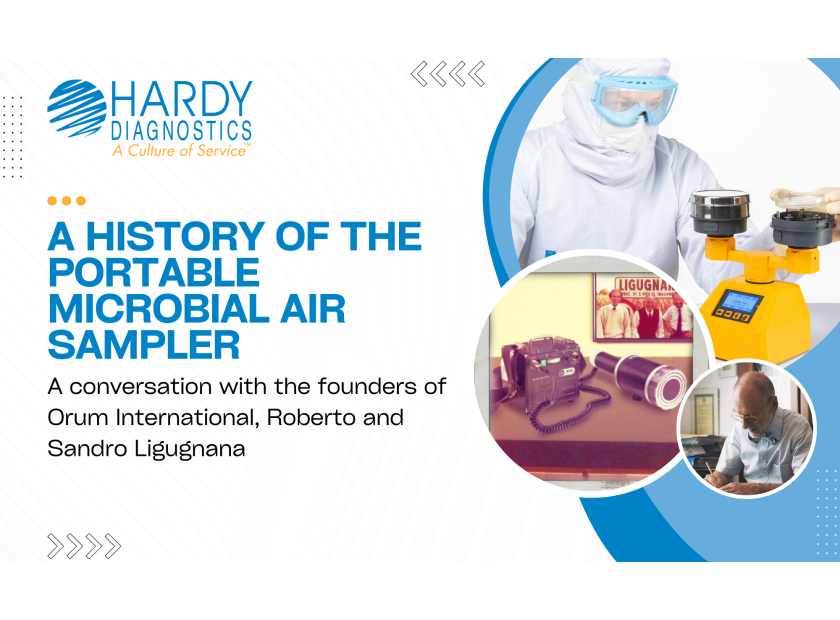 January 16, 2024Posted: January 15, 2024Dive into the evolution of portable microbial air samplers in our latest blog! Explore the rich history and technological advancements, featuring an exclusive interview with the founders of Orum International. Uncover the journey of innovation in microbial air sampling. Read more for insights into the past, present, and future of this crucial technology.Read More


